
CAMBRIDGE — Just a few dozen steps across Kirkland Street and the Somerville line separate the Tree House Academy day care from a new ice cream shop, where scratch-made scoops of Brown Sugar Cookie Dough are sold.
And soon, parents and toddlers leaving the child-care center are set to see a business offering an altogether different vice right next door: a pot shop.
Not everyone is thrilled by this soon-to-arrive neighbor. Nine years after voters made it legal to sell recreational marijuana, the siting of a dispensary continues to generate tensions in the neighborhoods where they open. Even in Cambridge, Somerville, and other cities with a let-live attitude on cannabis, some would still prefer the stores not encroach on their corners of the city — especially when those corners are full of kids.
Tree House Academy executive director Mara Coelho said she fears that the dispensary could lead to people smoking near little ones, or that products might be left behind where they can find them, and “directly impact the children, families, and staff who walk through the area daily.”
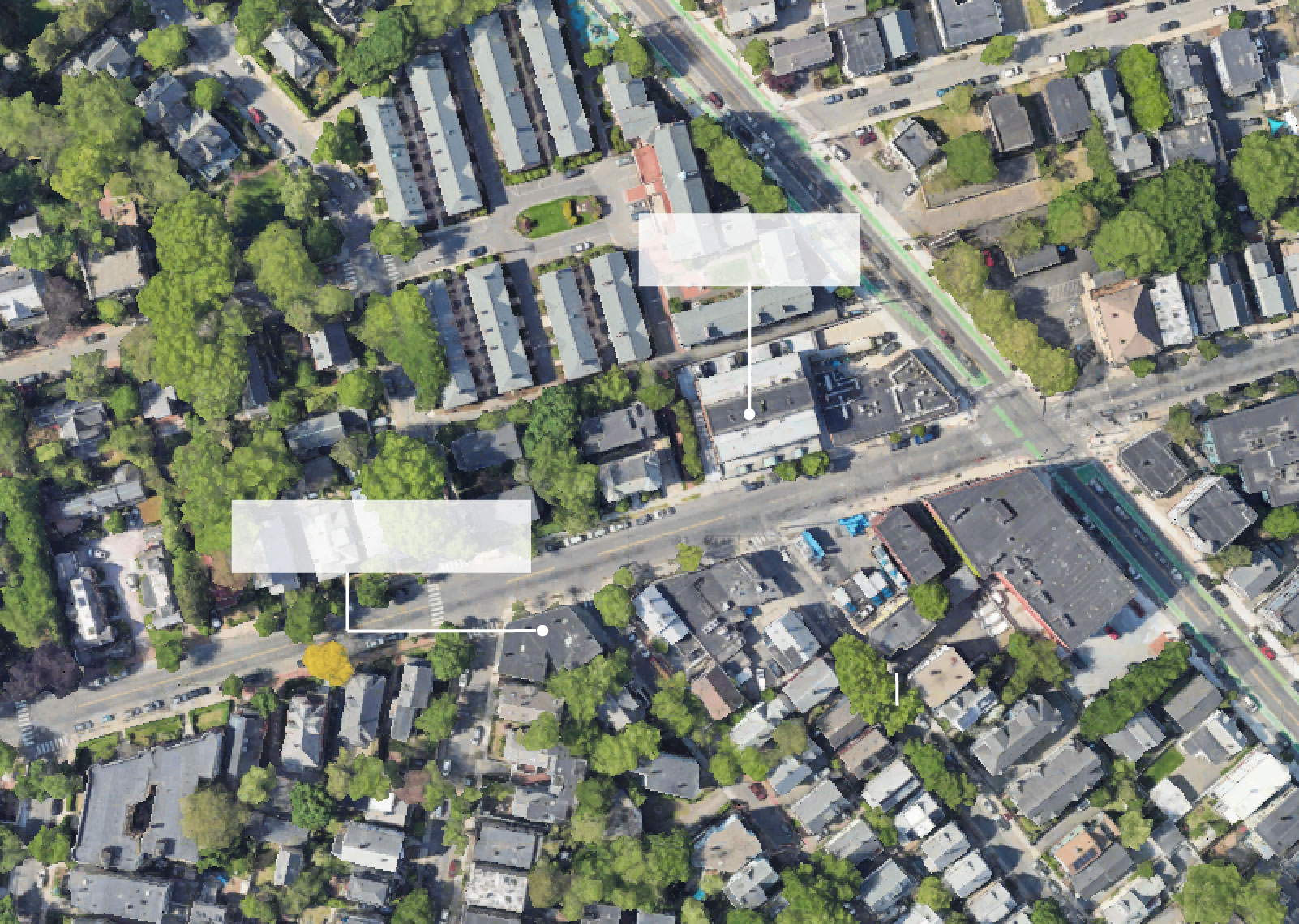
Daycare
Dispensary
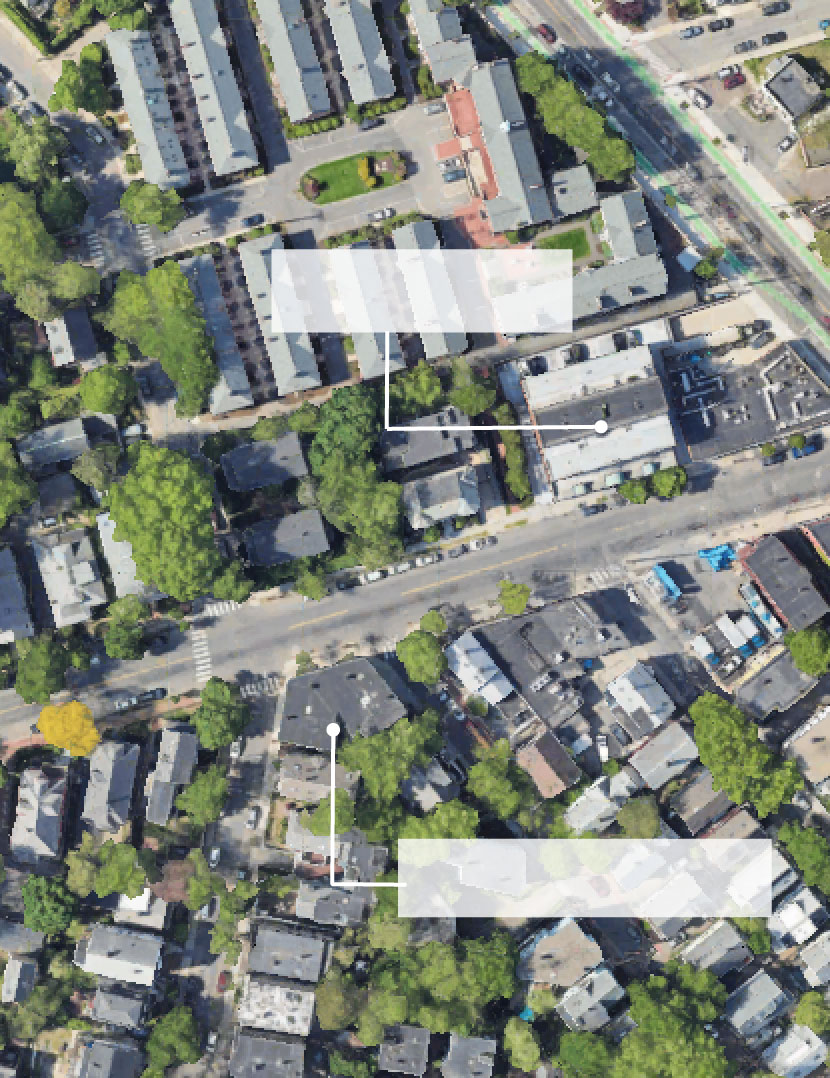
Daycare
Dispensary
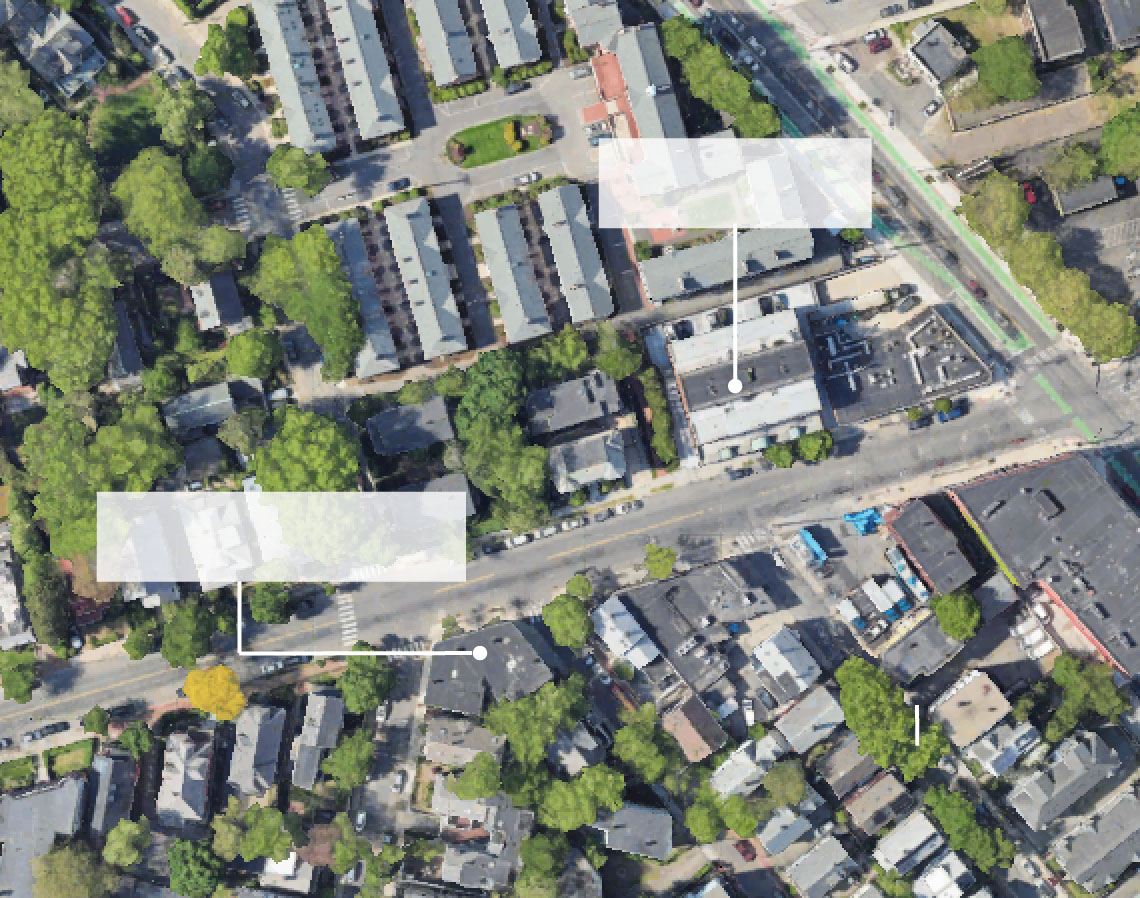
Daycare
Dispensary
Steven DeMarco, the dispensary owner who has leased the space on Kirkland Street for the past year-and-a-half as he works to get it open, said he takes the concerns seriously, and that they are “entirely justified for the kids they look after.”
He has workable solutions to all of them, he said, and can point to plenty of other dispensaries operating elsewhere without the negative impacts people imagine will come in their wake.
It’s just taking time for people’s apprehensions to fall away. “It’s a process,” DeMarco said.
Massachusetts regulations ban cannabis shops within a 500-foot radius of schools, parks, and other places kids congregate. But Cambridge exercised its option to adjust the limits, setting it at 300 feet.
Officials at the time reasoned that made sense given how many parks and schools are jammed into a city of Cambridge’s compact size of just 7 square miles, said Marc McGovern, a city councilor.
The state’s regulations, and Cambridge’s, don’t apply to day-care operations such as Tree House Academy that serve children younger than public-school age. The rules are different in other cities. Some local ordinances, including in Fitchburg, explicitly forbid pot shops near day care operations.
Opting to ban pot shops near them in Cambridge would have cut down significantly on available real estate, given there are more than 100 licensed child care programs in the city, according to a state database.
And, McGovern said, it also wouldn’t have made much sense.
“The evidence doesn’t support that having a dispensary near a school or a preschool has the negative effects that people tend to be concerned about,” McGovern said. “I think these fears are really unfounded.”
That’s what DeMarco wants neighbors to see.
His spot on Kirkland Street, in a small storefront in the same building as the ice cream shop, is right on the Somerville line amid a group of locally owned businesses offering indulgences of other kinds.
Along with the ice cream shop, Jamie’s, which opened this year, there is Broadsheet Coffee Roasters for high-end espresso, Savenor’s Butcher Shop for the finest butchered meats, the Wine and Cheese Cask for premium booze and aged dairy products. The day-care center’s immediate neighbor is Lehrhaus, a not-for-profit “tavern and house of learning” that has a full bar.
DeMarco, who lives in Cambridge and is self-funding his store, thinks his Wonderland shop fits right in with this mom-and-pop streetscape.

“People can go get a coffee, get some ice cream, pop into the dispensary before they go home to watch the game,” he said. “With the restaurants and other shops on the street, I think [a dispensary] is a nice cap to that end of the strip.”
Still, the fears remain, as does skepticism about the vibe shift a pot shop would bring to a neighborhood brimming with children, where teens walk on their way to high school and where side streets are so quiet, kids can play in the middle of the road.
“It just seems so out of place,” said Sunia Trauger, a Harvard researcher who lives on nearby Myrtle Avenue and last year circulated an online petition that 435 people have signed, aiming to push the dispensary away.
In her view, a cash-heavy business, where people come to buy joints, edibles, and THC-infused drinks, ought to be somewhere else. Cambridge already has enough weed for sale, she said: as of an official count in May there were seven recreational or medical dispensaries open, and six more in the pipeline, including DeMarco’s.
So she believes the last thing her street needs is more of it.
“I don’t want to be extreme,” Trauger said. “I’m very liberal. I’m not against people smoking marijuana in their homes. But everywhere you go now you smell it.
For his part, DeMarco said he’s been making inroads with neighbors in a series of public meetings, and has tried to assuage their concerns. A lot of people have yet to set foot in a dispensary, he said, or haven’t seen what the day-to-day impact actually is, particularly at a time when the weed business isn’t booming the way it was when shops first opened.
As far as parking is concerned, DeMarco thinks the impacts of a pot shop are overstated, and at this point, outdated. Given the sheer number of other options, he doesn’t believe the store would draw people from afar by vehicle, and that most customers would likely be locals walking short distances.
His plan, he said, also calls for outdoor security cameras, and he pledged staff would be on the lookout for people toking up outside or otherwise being careless with their products. The store would refuse to serve someone if they became a nuisance.
“We’re going to make a point to make sure that our eyes are always open,” DeMarco said. “And our noses, too.”

Public backlash to dispensary openings has softened in Cambridge and cities like it where dispensaries are proliferating in bigger numbers, people in the industry said. That includes shops in more residential areas, and near concentrations of children.
For example, the GreenSoul Dispensary, which opened earlier this year, is directly across from the Cambridge YMCA, a hub for youth sports that also has a preschool. But the Y didn’t object when the shop was pitched for the location, said Richard Harding Jr., GreenSoul’s owner.
Harding, who also serves on Cambridge‘s School Committee, said he is skeptical of restrictions on pot shops around schools or any other locations.
“I don’t believe that they’re very useful,” he said. “The reality is these cannabis businesses are so regulated that it doesn’t matter.”
On Kirkland, DeMarco said he’s had success getting people not to see his yet-to-open shop’s presence in such a negative light — or at least, for those who were hostile at first to the idea, to move on.
Michael Byrne, who lives across the street, said he worried early on about all the kids who would pass it on the way to high school.
“I thought that they wouldn’t be a great fit for the neighborhood,” he said.
But when it comes to neighborhood issues, he’s choosing to focus on other priorities, such as preserving the tree canopy along his street, even if he’d prefer something else went in that storefront on Kirkland instead.
“They have a right to be there,” Byrne said. “I just want them to be a good neighbor, and having spoken to the owner at length, he seems sincere in trying to make that happen.”
Spencer Buell can be reached at spencer.buell@globe.com. Follow him @SpencerBuell.